

When designing a custom kitchen, there is more to consider than the cabinet spacing for your hundreds of water bottles or a floor material that your dog won’t scratch up. As important as these kitchen details are, the niche design choices are what fulfill the project. These are choices that some homeowners might not even consider, like the range hood.
The range hood sits above the stove with practical uses such as ventilation or additional lighting for a cooking surface. These are necessities in a kitchen for everyone except Carrie Bradshaw, who uses her stove for shoe storage. But if someone intends to cook in their kitchen, the range hood is a must-have. Ventilation in the kitchen can make or break a client’s experience in their home, especially if one is prone to burning casseroles or pan-searing fish. As such an essential element of a kitchen, one might imagine a range hood as any other appliance, stainless steel and sterile, but its design is not limited to just its functionality.
Intentional design is often found in the details. A range hood is more than a functional element of the kitchen. Its shape, scale, and materials can help define the character of a space. Knowing this, our designers consider every detail of the range hood while accounting for how it would play into the rest of the design elements in the kitchen. This intentionality creates a range hood that feels naturally connected to the kitchen and thoughtfully considered from the start. “Considerations to keep in mind are ceiling height and the size of the hood insert, ensuring the depth and width are appropriate,” says Kitchen Envy designer Hayley Clayton. “I also consider whether this element should disappear into the design or become a focal point. If it's a focal point, then I like to use a different material and/or color to make it draw the eye in.”
Over the years, Kitchen Envy has designed hundreds of hoods, each uniquely created for its space. There are a multitude of design choices to make for a hood depending on the goals of the project. Below are some Kitchen Envy designs as well as the choices that influenced the final products.
Powder Coating
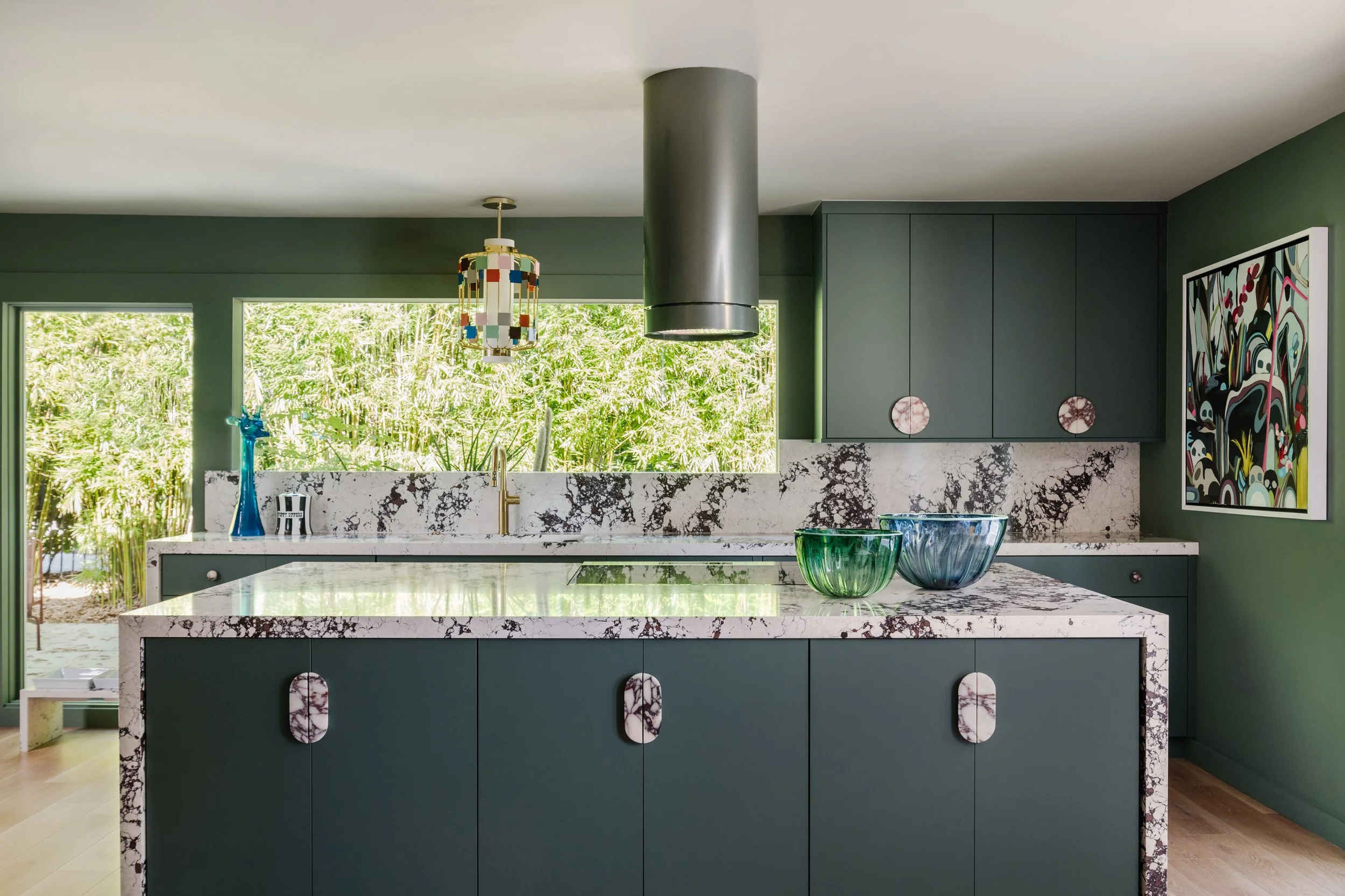
For a color-drenched space, sometimes a range hood needs to complement the surrounding colors. In this gorgeous home, designer Morgan Langley opted to powder coat the range hood to match the deep, rich green of the cabinetry and the walls. Doing this allowed for the space to fully transform into an oasis, with no competing colors.
Marble
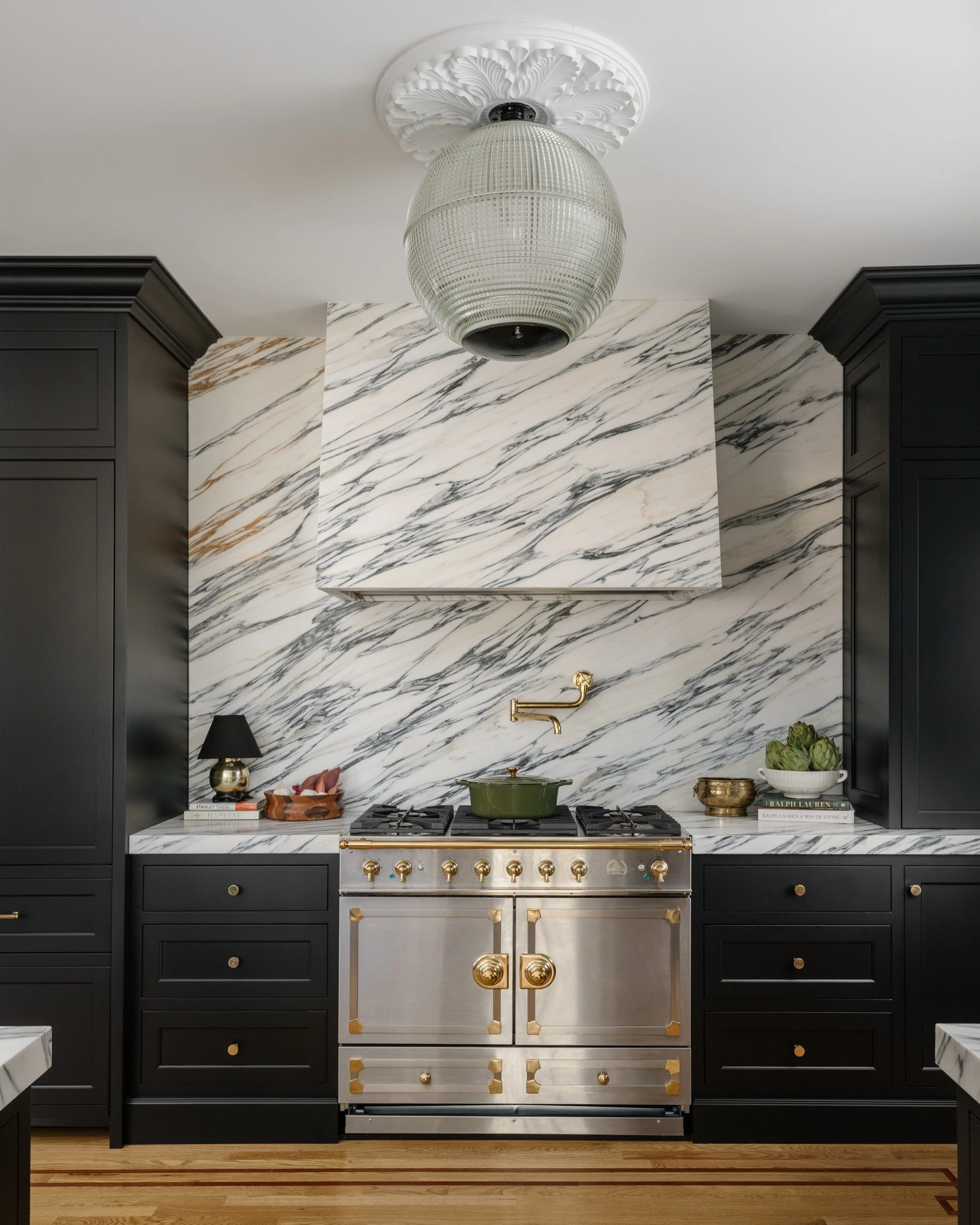
Similar to color matching, pulling in the same material from other parts of the kitchen gives the same cohesive effect on the space. This custom marble hood shifted the focus to encapsulate the style of the client, luxurious. With the grandiosity of the marble, the area is elevated with intention. Sometimes a personal taste will give the range hood the opportunity to be more about standing out luxuriously than blending in conservatively.
Storage and Function
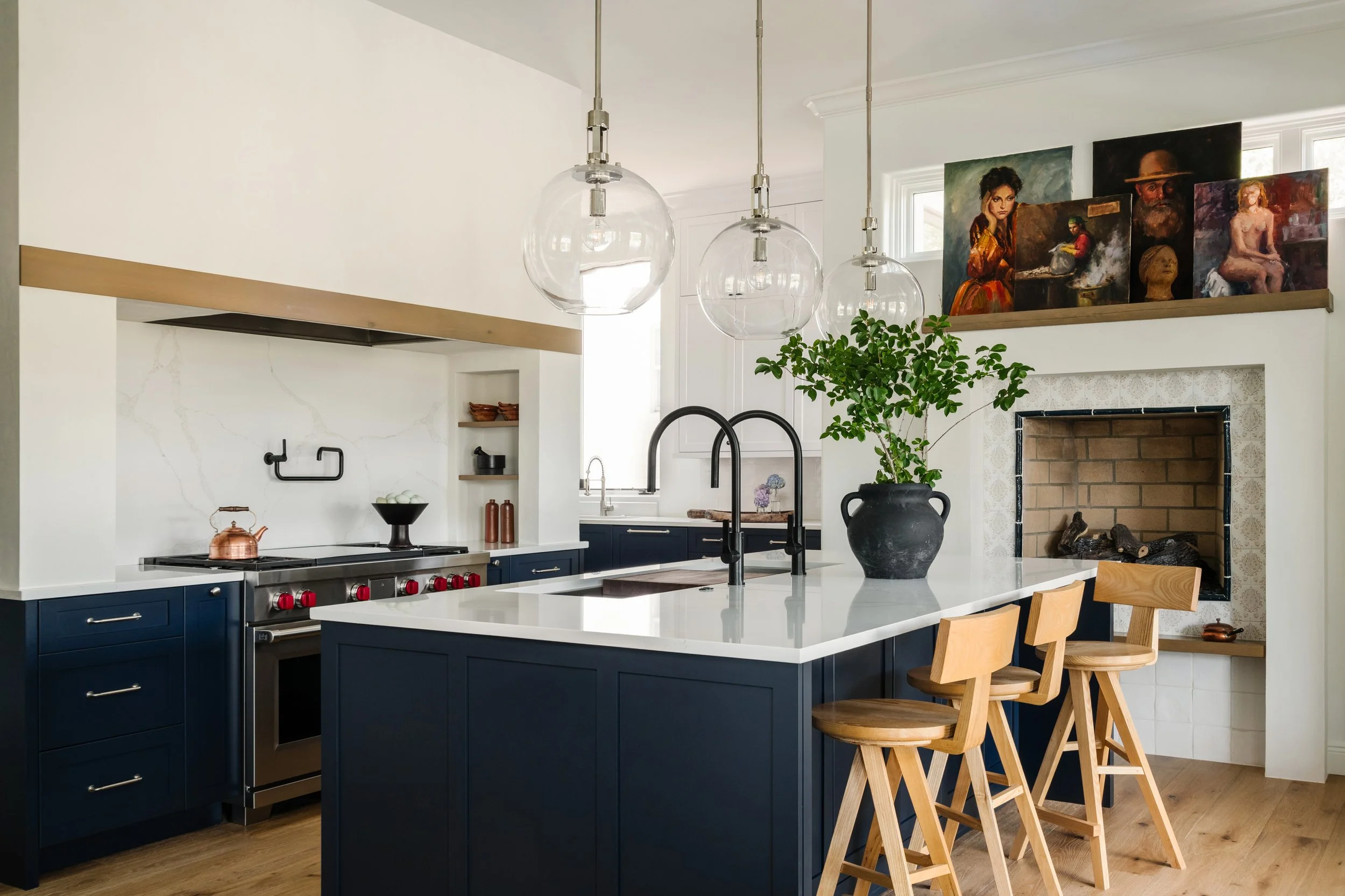
Where function meets style is where a range sometimes needs to exist. This custom range hood area is complete with a recessed spice space. This functional, intentional layer of design adds a unique flair perfect for an avid cook or for someone who just wants to display some family photos or sculptures. The possibilities are endless. For those who do spend a lot of time going back and forth from the pantry to the stove, having spices just within reach when at the stove is a cook’s dream
Natural Wood
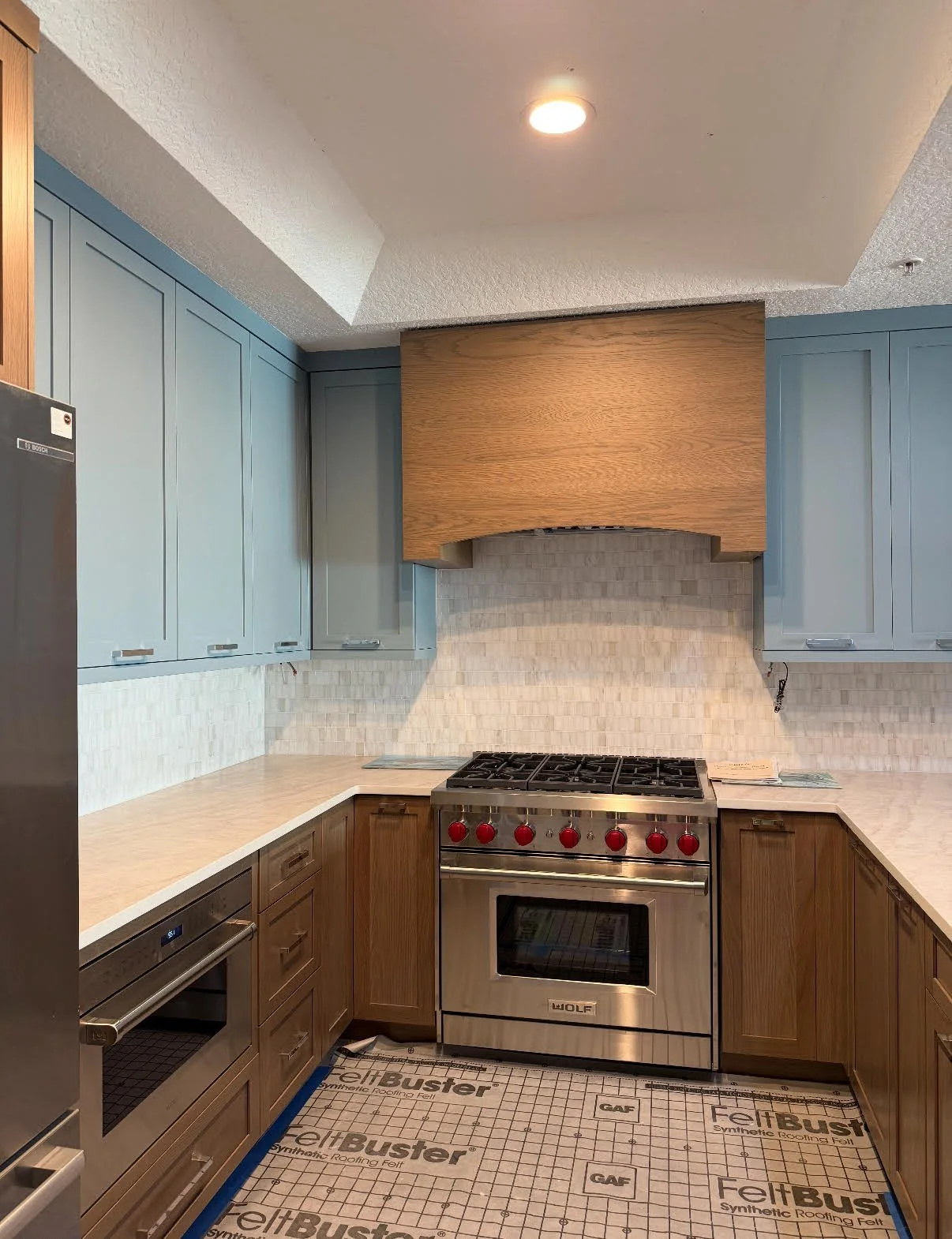
For this hood, designer Morgan Moran played with the natural elements while nodding to the client's Mid-Century style. For those who live at the beach or just want to feel like they do, a textured, natural range hood like this one would do the trick. An antithesis to the cold, traditional stainless steel hoods, this natural-looking hood accentuates the warm and grounded style of a home.
Eye-Catching
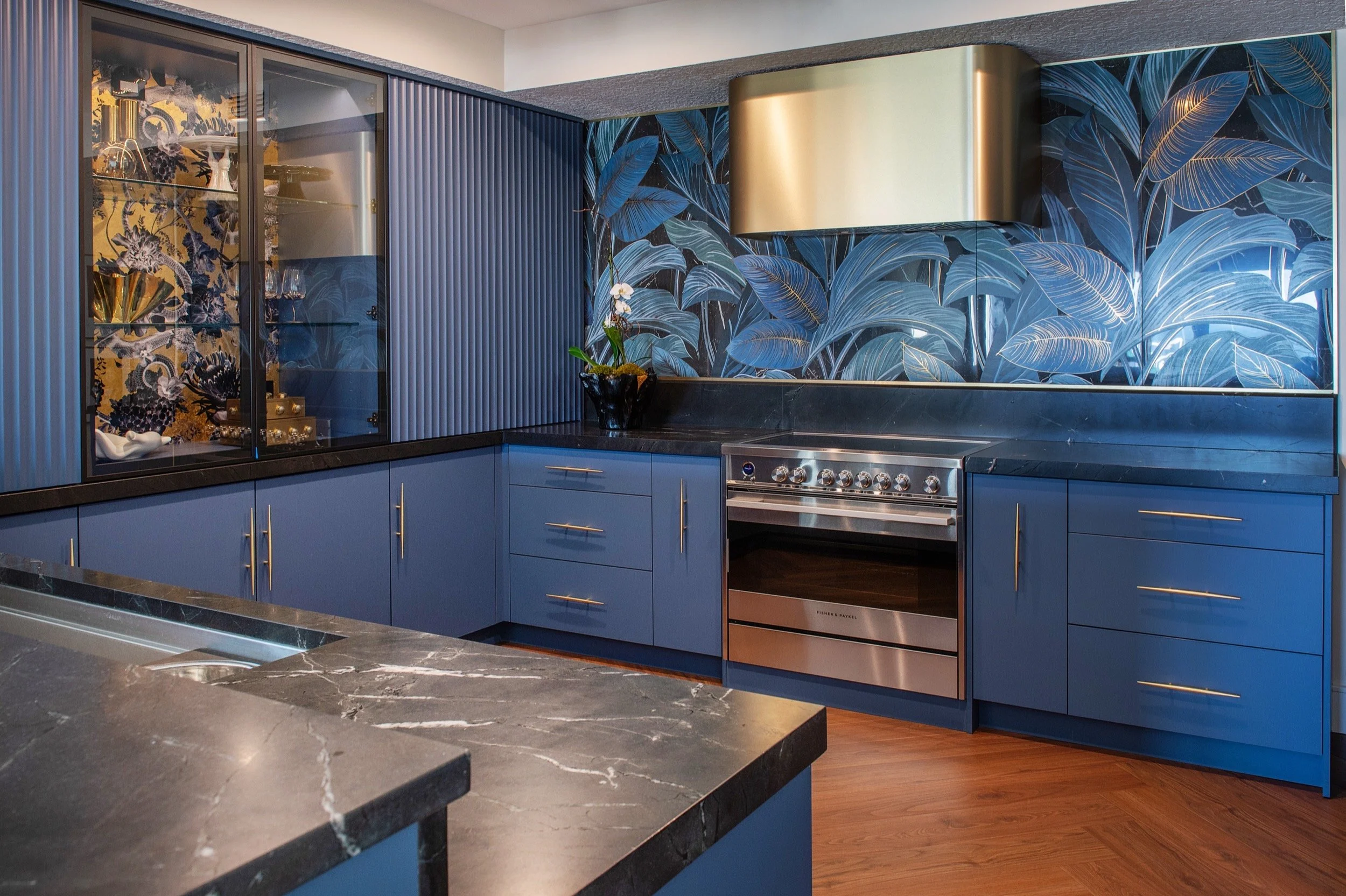
Nothing says luxury like gold. For this bold range hood, the gold is even more striking. This is a great example of adding style to a space through a bold visual element. The rounded edges play with the blue and vibrant gold to add a touch of softness to the space. The metallic gold is an example of how a range hood can lean toward the functionality that a stainless steel one may offer while still maintaining its unique and elevated quality.
Historic Character
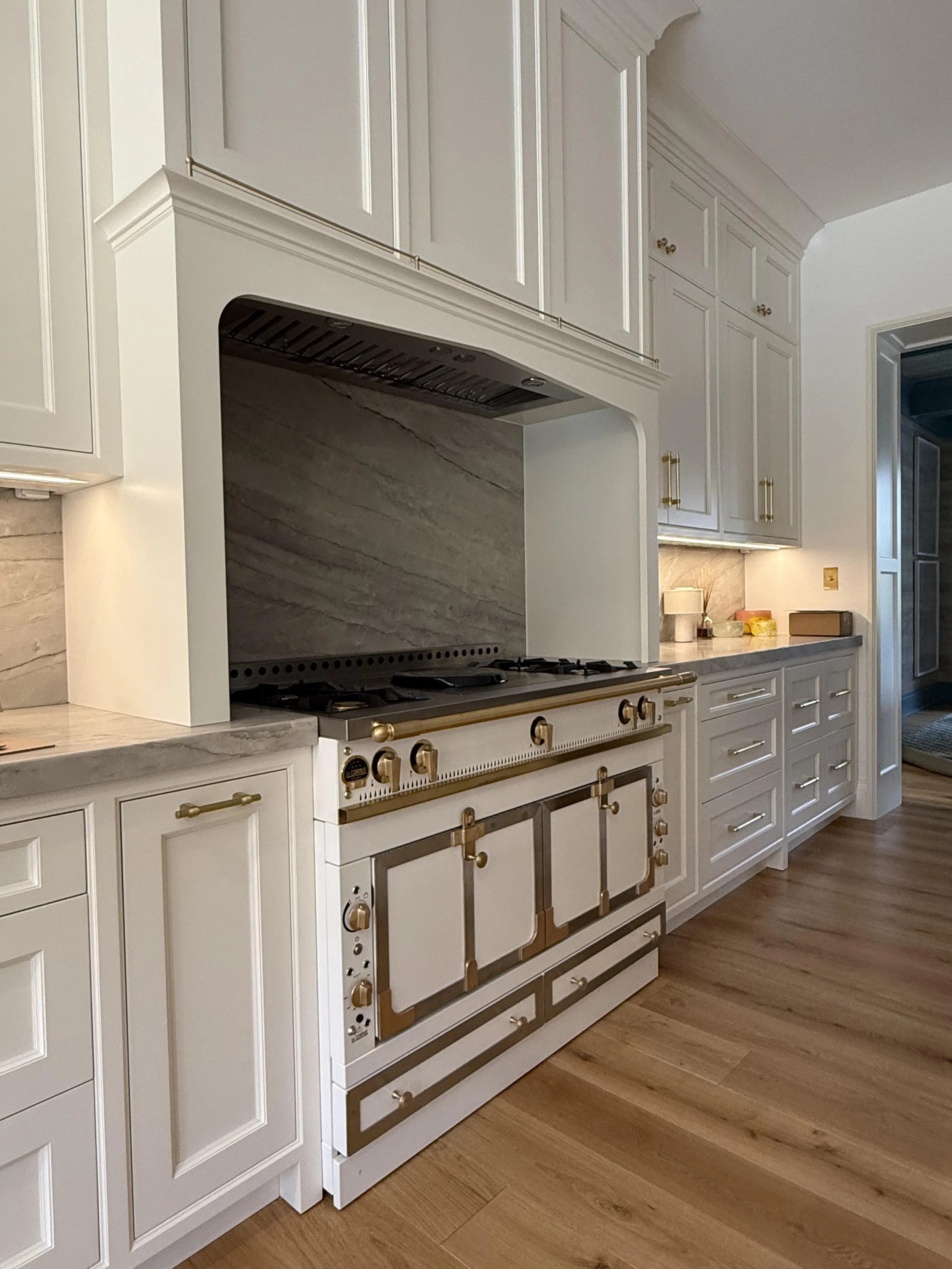
Classic mixed with modern, a combination difficult to pull off. This range hood enhances both stylistic elements with its elegant framing, creating a timeless silhouette. This range hood is color-matched with the cabinetry around it for a polished feel, but the shape of the frame adds detail, perfect for an elegant home.
Reduced Depths
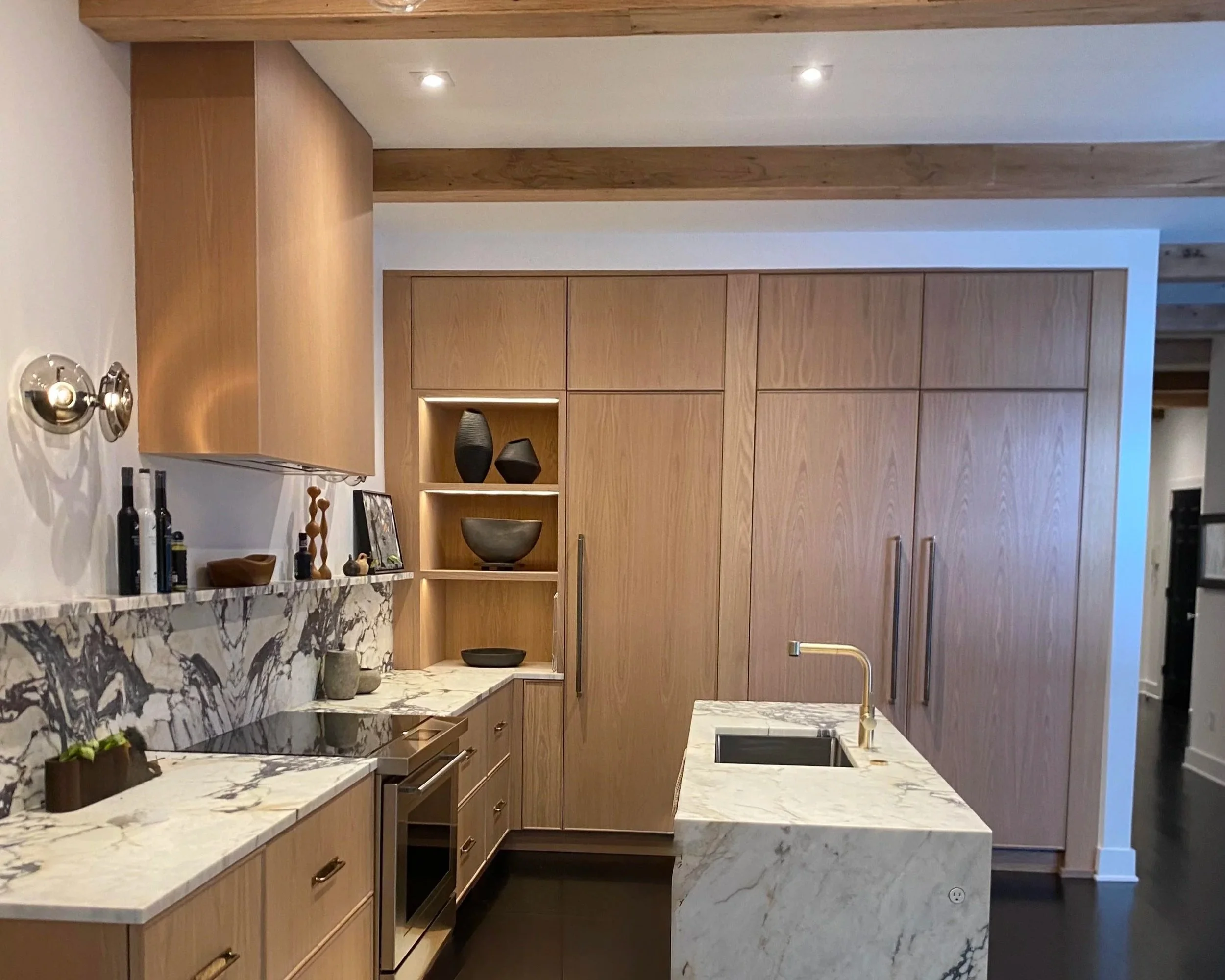
When a kitchen is compact or one is trying not to block other visual elements within the space, a reduced-depth range hood may come into play. This one perfectly fits within the parameters of the space without being underwhelming for the wall it sits on or blocking the view of the adjacent wall's display cabinet.
Taking Up Space
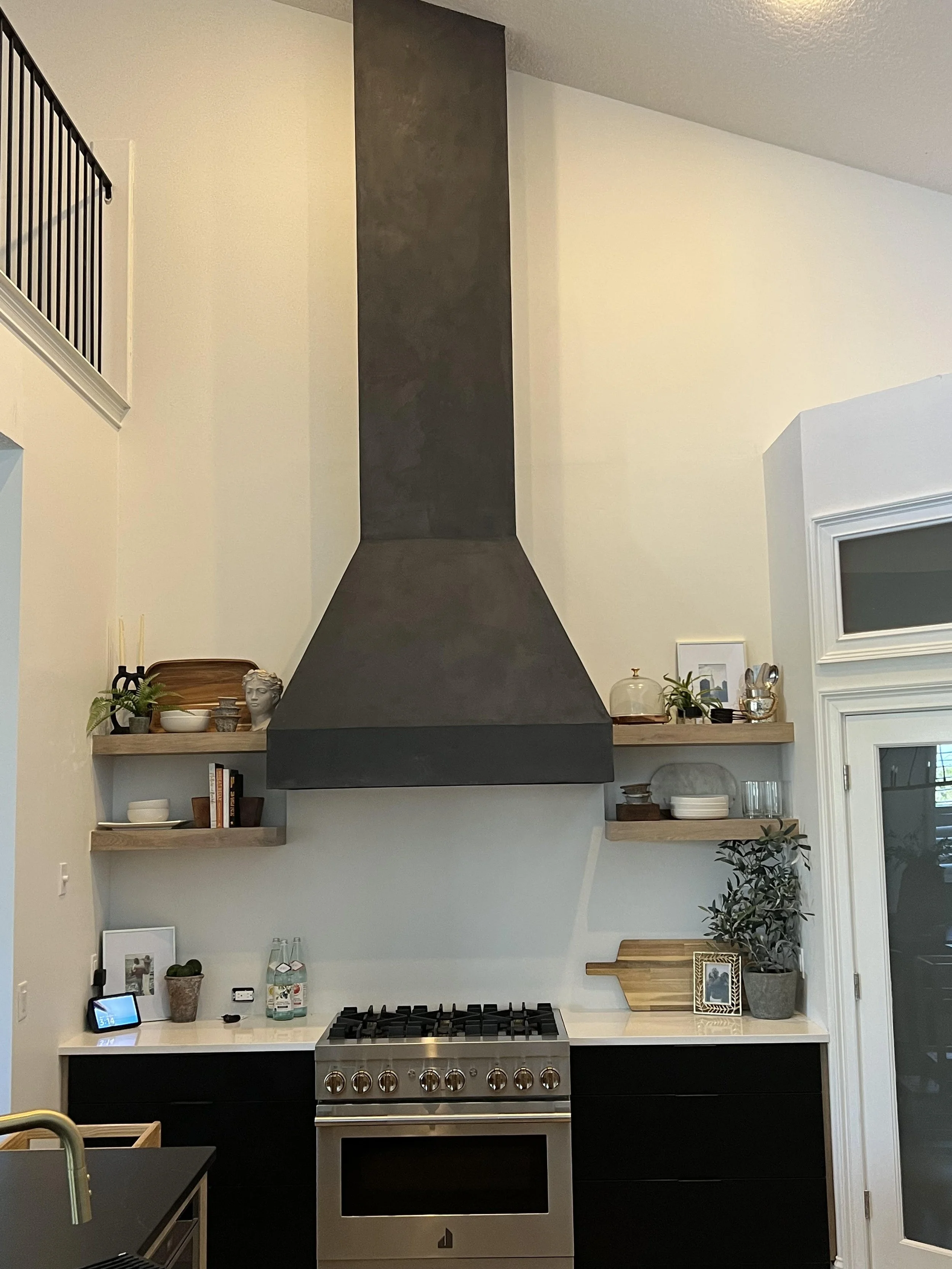
Bought a house for its ceiling height but have no idea how to properly use that space? Enter the extremely tall hood. Another way to make a statement with a hood other than with its material or detailing is with its size. This grand hood is perfect for high ceilings by drawing the eye up. This otherwise blank wall now employs the hood to carry the visual weight.
Plaster
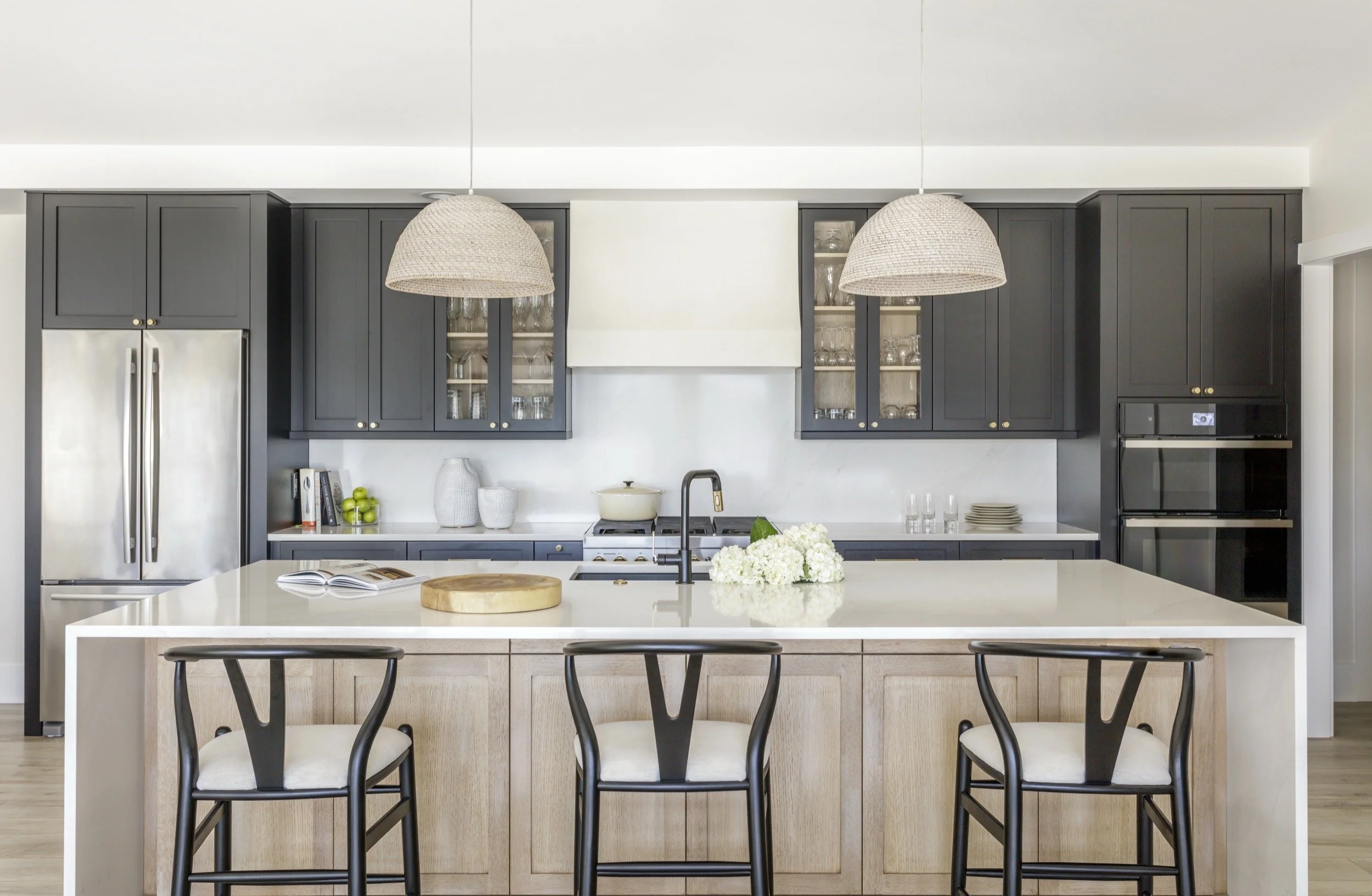
A plaster range hood is characterized by the framed interior structure, which is covered in drywall or a cement board and finished with plaster. The shape seen here is a product of the custom sculpting of a plaster hood. Unlike the prefabricated metal hoods, these shapes can be customized, giving the hood’s structure a more organic feeling and a sought-after plaster finish.
Kitchen Envy’s range hood designs display the wide variety of details that are so important to how a range hood fits in a kitchen. Carefully considering not only the function but also the style ensures that a range hood will be more than just another appliance.
